Skip to content
Website design for product manufacturers

Manufacturer websites built to win the specification.

Websites for US construction product manufacturers — CSI-ready spec sections, BIM and CAD downloads, ICC-ES reports and test data on every product page, and a separate route for the contractor placing the order.

  • From $2,000
  • Live in 7 days
  • No agency jargon
See B2B demos
Demos for product manufacturers

B2B manufacturer website demos.

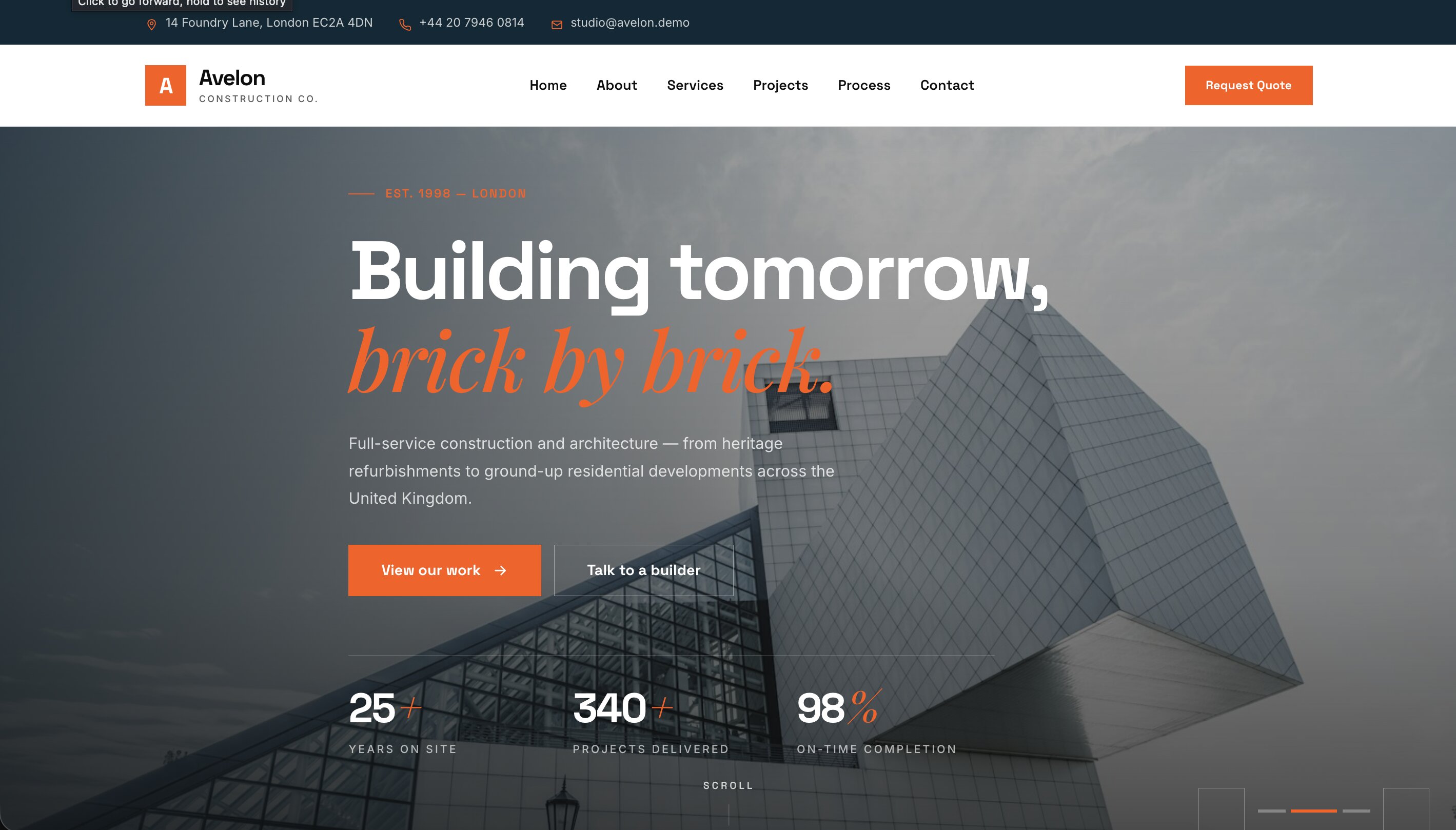
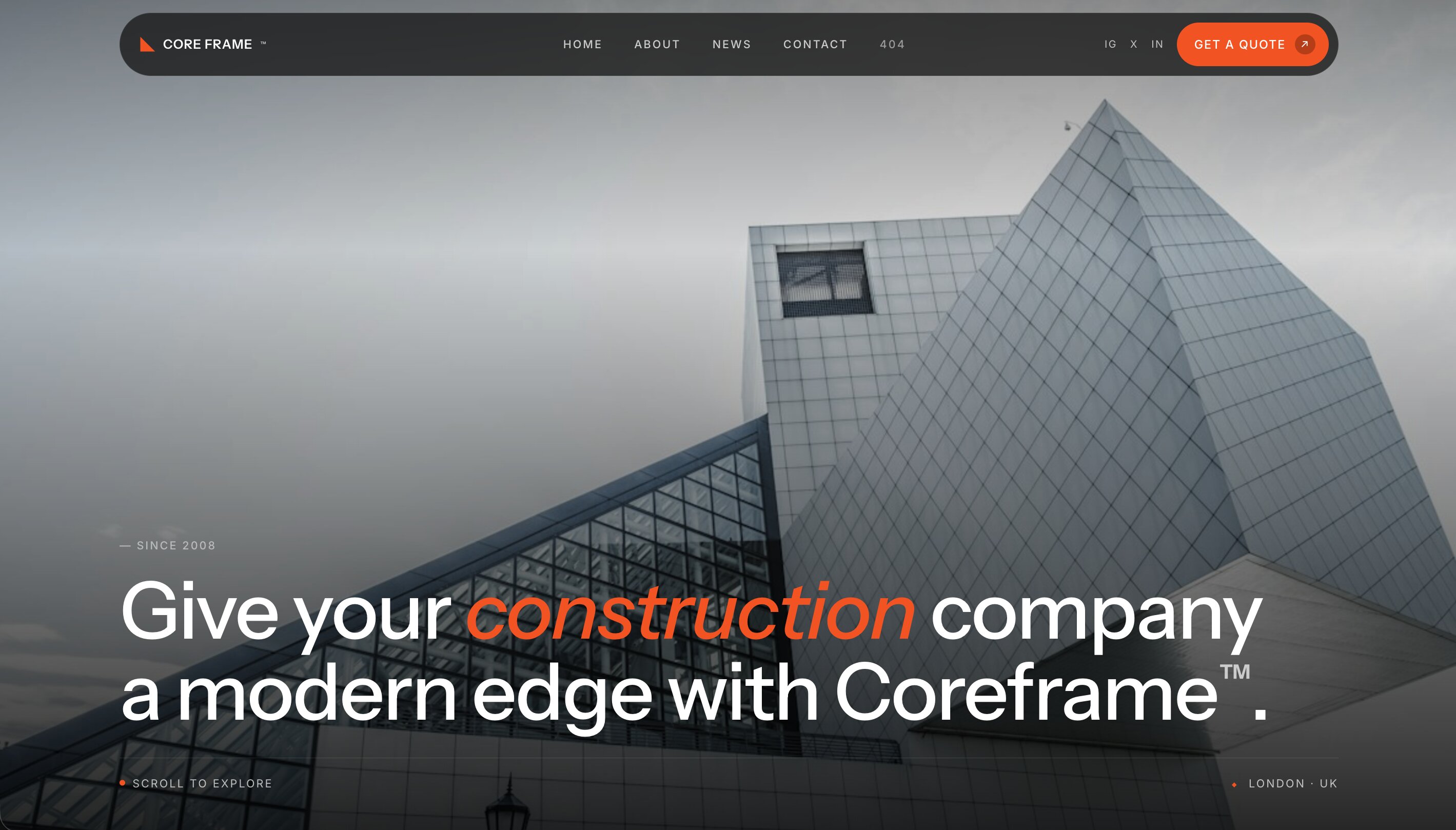
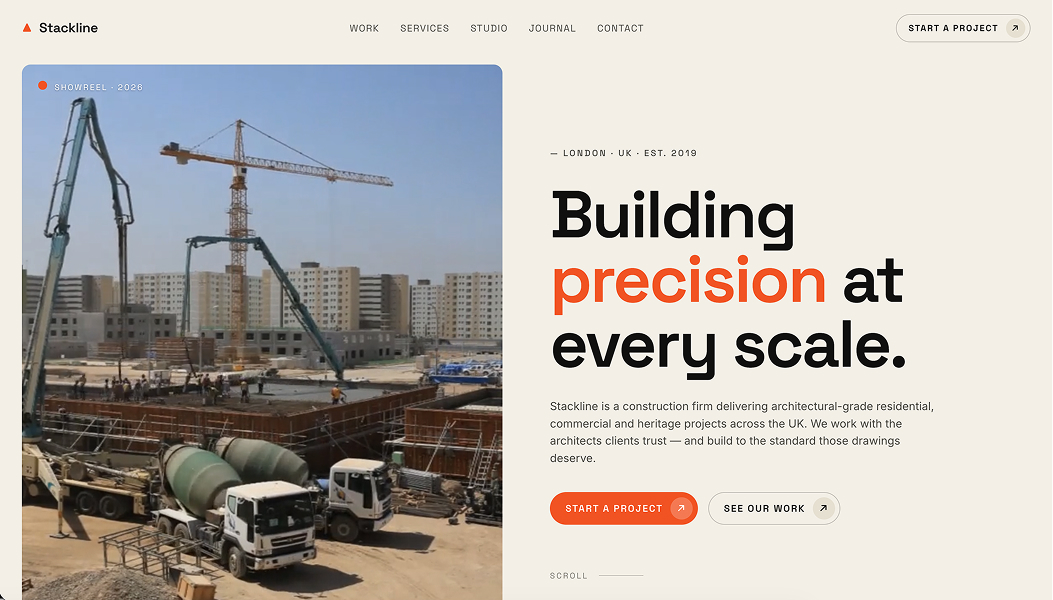
We don't have a public manufacturer demo yet — these are the closest builds in structure and restraint. The product library, specification downloads and BIM area get built on a layout like these.

Why it matters

What a website does for a product manufacturer.

The decision that matters happens months before your sales team hears about it — at a desk, with a drawing open. An architect or MEP engineer is choosing which product to name in the specification, and they name the one whose data drops straight into the model.

Get named in the specification.

Specifiers write sections in MasterSpec or SpecLink with a browser open on the second screen. A ready-made CSI section, product reference and performance data means your product goes in as written, rather than as a generic description a contractor can substitute against.

Remove the download friction.

BIM objects, DWG details, ICC-ES reports, test certificates and installation guides behind no form, no login and no contact-us-for-details. Every barrier is an invitation to use the competitor whose file downloads in one click.

Serve the specifier and the buyer differently.

The architect wants performance, fire ratings and detail drawings. The contractor wants lead times, pack sizes, distributors and pricing. Two routes through the same catalog, so neither has to read the other's page.

Defend the spec after bid.

Products get swapped at value engineering. Published test data, warranty terms and an or-equal comparison page give your specifier the evidence to hold the line without having to call you first.

What's in the site

Built around how products get specified.

Every feature either helps a specifier pick you, gets your data into their model, or shortens the path from a technical question to a call with your team.

  1. A page per product, with the data on it.

    Performance figures, dimensions, finishes, fire ratings, R-values or STC ratings where relevant, the ASTM and ANSI standards tested to, and the certificates as downloads. One page per product means one search result per product.

  2. CSI-ready specification sections.

    A copy-ready 3-part CSI section and product reference on every product page, structured so a specifier can lift it straight into MasterSpec, SpecLink or a firm template. We can link out to your ARCAT and BIMsmith listings alongside it.

  3. BIM and CAD download library.

    Revit families, IFC objects and DWG or PDF details, versioned, named to a consistent convention and downloadable without a gated form. The library is indexed so it earns search traffic in its own right.

  4. Compliance documents in one place.

    ICC-ES evaluation reports, UL listings, ASTM and ANSI test reports, ASTM E84 flame-spread ratings, EPDs and environmental data, warranty terms and installation guides — current versions dated, superseded ones archived rather than deleted.

  5. Sample requests and AIA CEU booking.

    A sample request form that captures the project and the stage it is at, and a continuing-education page where a firm can book an AIA-registered lunch and learn. Those are the two moments a manufacturer gets in front of a specifier before the drawing is finished.

  6. Distributor and dealer locator.

    For the contractor who has already been handed your product name: where to buy it, in what pack sizes, with what lead time. It keeps a specified job from being swapped for whatever the supply house has on the shelf.

FAQ

Product Manufacturer website FAQs.

The questions product manufacturers ask before they hit the “get a price” button.

How much does a manufacturer website cost in the US?

$2,000 fixed price with ConstructionWebExperts for the core build, or $3,000 with branding. Freelancers charge $75–$150/hour and agencies want $10,000–$40,000 per project over 8–12 weeks. Large product libraries with extensive BIM and document sets are estimated on the number of products and files, priced up front rather than by the hour.

Can you host our BIM objects and CAD files?

Yes. Revit families, IFC objects and DWG details sit in a versioned library, named to a consistent convention and downloadable without a form. Superseded versions stay archived, so a specifier working from last year's model can still find what they used.

What is a CSI specification section and do we need one on the site?

It is the 3-part MasterFormat wording a specifier drops into the project manual to name your product. Publishing a copy-ready section and product reference means your product is written in exactly as you would want it. Without one, a specifier writes a generic description that any competitor can be substituted against.

Should downloads be gated behind a form?

Our advice is no. Gating BIM and CAD files costs more specifications than the email addresses are worth, because the specifier simply downloads the competitor's instead. If you need attribution, track downloads server-side and follow up on the pattern.

Can the site serve both specifiers and contractors?

Yes, and it should. The same catalog gets two routes: technical data, spec sections and downloads for the specifier; lead times, pack sizes, distributors and ordering for the contractor. Both start at the product page and go different ways from there.

How long does it take to build?

Seven days for a standard build. A large catalog with BIM and document libraries takes longer — the build is quick, but gathering current ICC-ES reports, test certificates and file versions is usually the slow part, and we will say so up front.

Will it help us rank for our product category?

That is the point of a page per product rather than a PDF catalog. Each product, performance characteristic and application gets its own indexable page, and the download library earns traffic from specifiers searching for a file by product name.

Do you do SEO for construction product manufacturers?

Yes, aimed at specification search rather than local search: product-level pages, application and sector pages, technical schema markup, and a structure that gets your data indexed instead of buried inside a downloadable brochure.

15-min call · Built for product manufacturers

Be the product they write into the spec.

Fixed price. Built for specifiers — clauses, BIM objects, test data and downloads that don't need a form.

Email us
Made with Modulify